Potu
Potu are an open species, mainly frequenting Pony.town. They, like many other species, would love for you to join them!
description
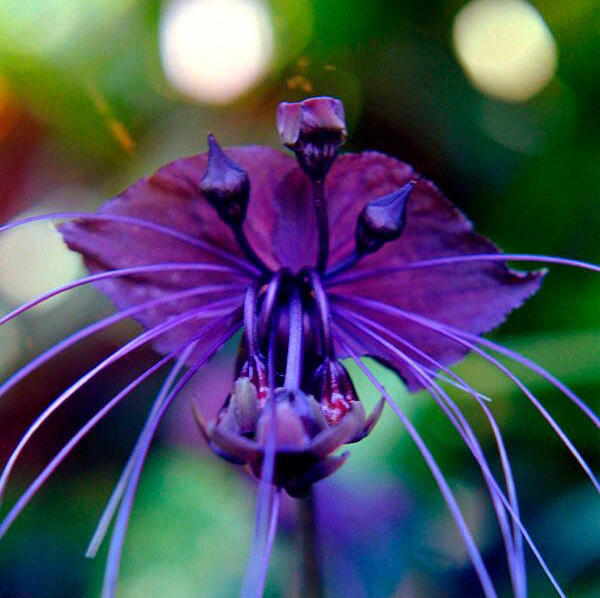
Potu are creatures of fae ancestry. They are nearly fully insect, about the size of a doll. They’re hollow boned like a bird, though with a stance more commonly mimicking a reptile’s. They have fine black fur, large eyes, and plants for “hair”. Their “hair” plants are placed for the gathering of sunlight like a plant does, unless said Potu is a carnivorous plant. Their “hair” can resemble any type of flora, ranging from pine cones, to flowers, to leaves.
diet
Potu are usually photosynthetic beings, lacking a mouth. Their “hair” that mimics leaves and petals, absorbs sunlight like their “paws” absorb water.
Carnivorous Potu are as the name suggests, carnivorous. Based on a carnivorous plant, they will have the features of said plant. EG: a pitcherPlant Potu would have a tall, pitcher shaped crest. Carnivorous Potu may still need water, but their heads open after the prey is trapped, to let said nutrients into the body.
abilities
All Potu can fly. From the youngest to the oldest, from the calmest to the most reckless. Their wings regenerate absurdly quickly, each minor scratch being able to heal in seconds.
Their small wings can allow them to “levitate” like a humming bird, also meaning they can fly backwards.
All Potu can call upon nature to summon vines related to the plant said Potu is based on. Eg: White Rose could conjure thorny vines, either to attack, or create.
Potu, with their cricket like legs, despite being bent like a reptile’s, can make songs and chirps by rubbing their legs together.
behavior
Most Potu are introverted. They like their peace and calm, their own quiet tunes. Some Potu, usually the vibrantly colored ones, are more outgoing and willing. Carnivorous Potu fit into the outgoing category, while being easily anger prone.
For a Potu leave a garden of Potu is like a traitorous action, an absurd action against the colony’s pride.
Potu travel in large colonies. They fly close together and quickly, so if one Potu falls, another can pick them up.
Potu are quick to reside in areas covered in flowers and pretty flora, their most visited areas being gardens and fruit trees.
Potu, being so small, are very prone to the cold, so like monarch butterflies, they migrate when winter comes.
reproduction
Potu reproduce like plants. The males create pollen, the female carries the pollen.
Once the female Potu receives the pollen, she’ll fly to the largest flower she can find and drop whatever pollen she held on the journey onto the petals of said flower.
Pollen will drop onto the ground instead of a flower, that usually creates fungus based Potu. If the pollen drops into a lily pad , the new Potu will be amphibious.
How the buds turn out also depends on the climate of the drop site. In a tropical area, an exotic Potubud is more likely to grow.
Potu have five main stages of their lifetimes.
1: bud. A Potu’s bud (or Potubu) is like an egg/baby
2: bloom. A Potuum (Potu bloom) is the child stage of their life.
3: Potu: this Potu is a teenager or a full grown, also the stage where Potu can reproduce
4: Elder: when a Potu reaches elder, visibly they wilt.
5: decomp: this is the stage when a Potu dies